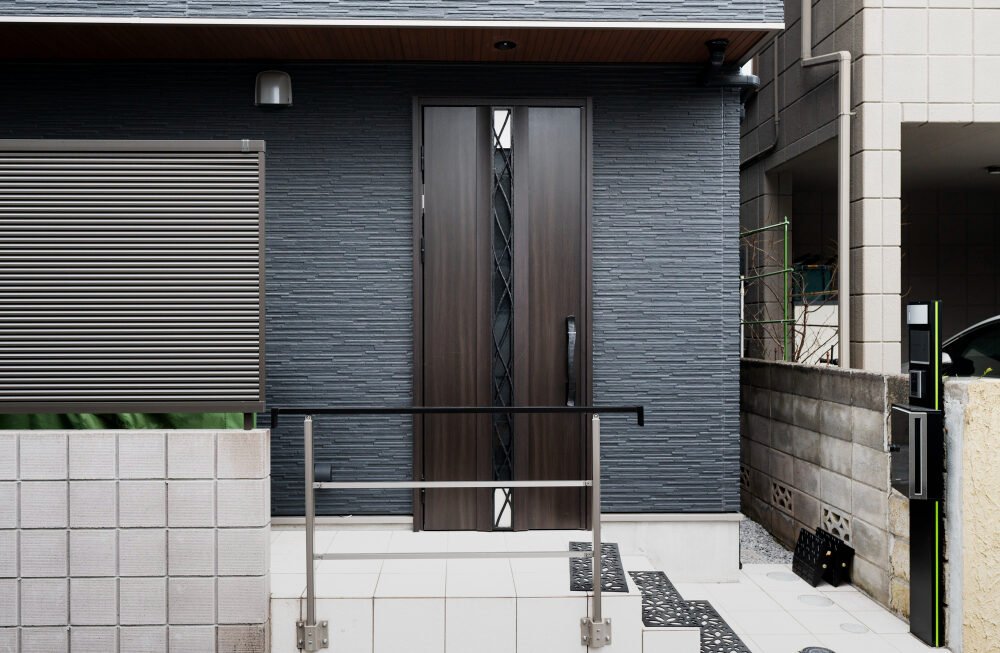
Choosing new siding is one of the most important investments homeowners can make because it affects durability, curb appeal, energy efficiency, and long-term property value. Many homeowners compare engineered wood vs vinyl siding to determine which material best suits their home’s needs.
Both options have become extremely popular because they offer unique benefits and address different homeowner priorities. Understanding how they compare can help homeowners make a more informed exterior remodeling decision.
Why Siding Selection Matters
A home’s exterior is constantly exposed to weather and environmental conditions.
Quality siding helps provide:
- Weather protection
- Improved energy efficiency
- Enhanced curb appeal
- Structural preservation
- Increased property value
These advantages make siding one of the most valuable home improvement investments available.
What Is Engineered Wood Siding?
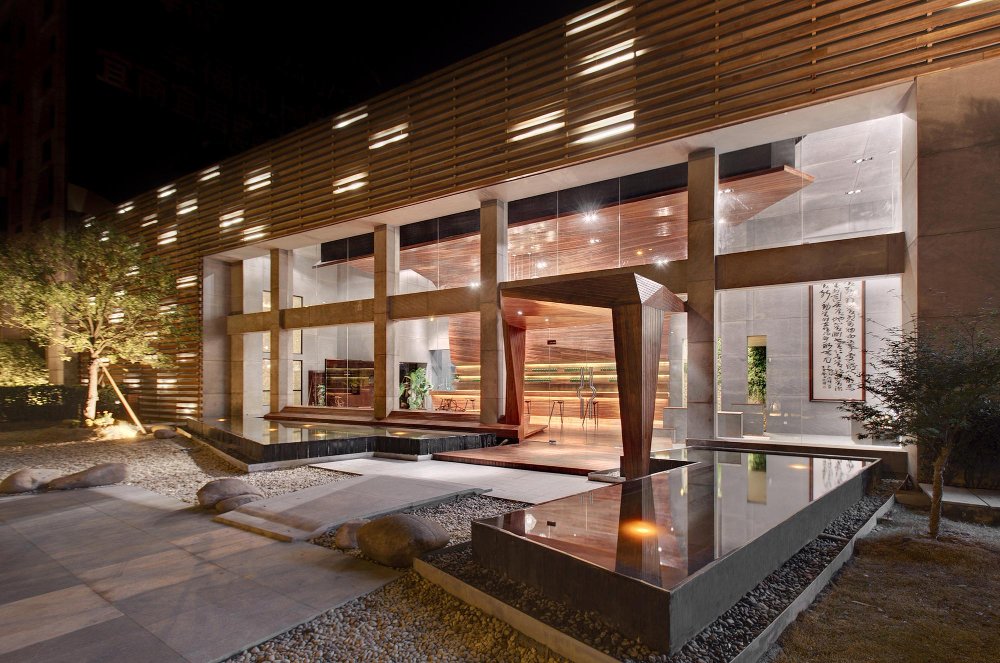
Engineered wood siding is a manufactured exterior product designed to replicate the appearance of traditional wood while improving durability and stability.
Advanced manufacturing processes help create products that deliver consistent performance and attractive aesthetics.
Its popularity continues to grow in modern construction.
What Is Vinyl Siding?
Vinyl siding is a synthetic exterior cladding material manufactured primarily from PVC.
Homeowners researching engineered siding vs vinyl siding often compare vinyl because of its affordability and low-maintenance qualities.
It remains one of the most widely installed siding materials available.
Aesthetic Differences Influence Home Design
Visual appearance is often one of the biggest deciding factors.
Engineered wood siding commonly offers:
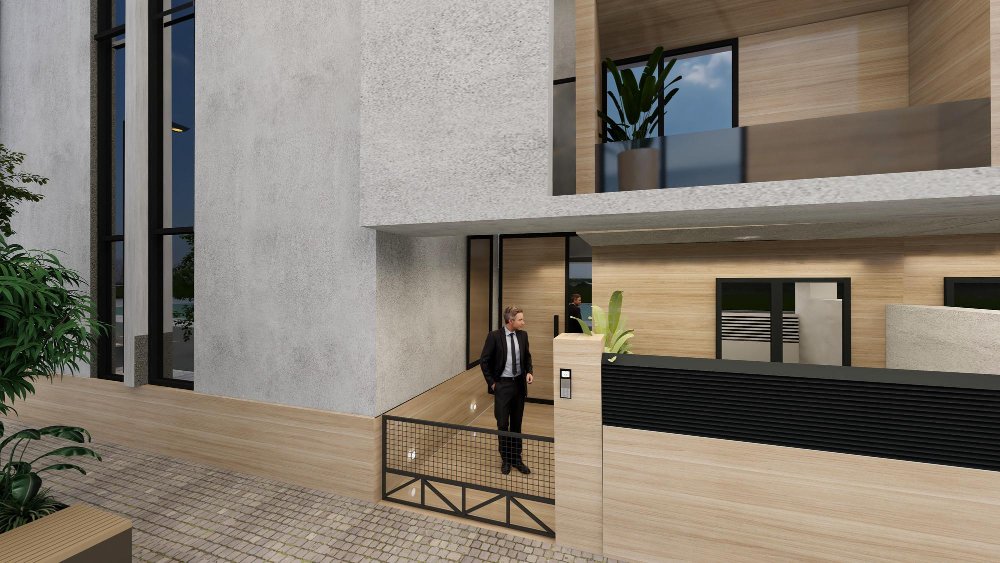
- Natural wood textures
- Architectural depth
- Authentic appearances
- Premium finishes
These characteristics appeal to homeowners seeking elevated designs.
Vinyl Siding Emphasizes Simplicity
Vinyl siding appeals to homeowners who prioritize convenience.
Popular benefits include:
- Easy maintenance
- Wide color selections
- Consistent finishes
- Simple upkeep
These features make it a practical solution.
Architectural Styles Affect Material Choices
Certain homes may benefit more from one material than another.
Popular applications include:
- Farmhouse designs
- Craftsman homes
- Traditional architecture
- Modern residences
- Transitional homes
The existing design often helps determine the ideal material.
Maintenance Requirements Should Be Considered
Long-term ownership costs extend beyond initial installation.
Homeowners should evaluate:
- Cleaning schedules
- Inspection frequency
- Repair requirements
- Climate exposure
Understanding maintenance expectations helps avoid surprises.
Read More in RSVP Home Blog
- Custom Closet for Your Cliff Cannon Home: Personalized Storage That Simplifies Life
 Learn how personalized closet systems in Cliff Cannon create organized, efficient living spaces.
 - Commercial Roof Replacement: Investing in Lasting Protection for Your Building
 A commercial roof replacement is more than a construction project—it’s an investment in the future of your property. This article explores how premium roofing materials, thoughtful engineering, and skilled craftsmanship work together to improve building performance, protect valuable assets, and deliver lasting peace of mind for commercial property owners.
 - Kitchen & Bathroom Cabinet Contractor in Clarksville, ID: Custom Storage Solutions for Every Room
 Learn how professional cabinet contractors in Clarksville, ID transform kitchens and bathrooms with personalized storage solutions.
Climate Conditions Play a Major Role
Environmental conditions can affect siding performance over time.
Important considerations include:
- Rain exposure
- Humidity levels
- Sun intensity
- Temperature fluctuations
Climate-appropriate selections support long-term durability.
Energy Efficiency Benefits Both Materials
Modern siding systems can contribute to overall home performance.
Potential benefits include:
- Reduced air infiltration
- Improved insulation performance
- Enhanced comfort
- Greater energy efficiency
These improvements support more comfortable living spaces.
Professional Installation Is Essential
Proper installation directly affects siding performance.
Professional contractors help ensure:
- Accurate measurements
- Moisture barrier installation
- Secure attachment
- Weather protection
- Code compliance
Expert workmanship protects the investment.
Siding Upgrades Can Increase Home Value
Updated exteriors remain highly desirable among prospective buyers.
Modern siding frequently improves first impressions while enhancing curb appeal.
These upgrades may positively influence resale opportunities.
Who Benefits Most from Engineered Wood?
Engineered wood siding may be ideal for homeowners who:
- Prefer natural aesthetics
- Enjoy architectural details
- Want premium finishes
- Plan long-term occupancy
- Plan future resale opportunities
These homeowners often prioritize luxury appearances.
Who Benefits Most from Vinyl Siding?
Vinyl siding may be beneficial for homeowners who:
- Need affordable materials
- Prefer low maintenance
- Want practical solutions
- Need simple upkeep
- Prefer straightforward installation
These households often prioritize convenience.
How Should Homeowners Make Their Decision?
Several factors should guide the final choice:
- Budget
- Architectural style
- Climate conditions
- Maintenance expectations
- Long-term goals
Careful planning helps homeowners select the best option.
Engineered Wood vs Vinyl Siding
Both engineered wood and vinyl siding offer valuable advantages that can improve a home’s appearance, efficiency, and durability. The ideal choice depends on each homeowner’s design preferences and long-term priorities.
By investing in quality materials and professional installation, homeowners can create attractive exteriors that remain functional and valuable for many years to come.