The Problem
PROBLEMMany exterior siding products promise sustainability, but not every “green” material delivers long-term environmental benefits. Some require frequent maintenance, while others have shorter lifespans or consume significant resources during production.
Homeowners often focus on the purchase price or appearance without considering how the siding will perform over the next 20 to 50 years.
Common concerns include:
- High maintenance requirements
- Poor energy efficiency
- Premature fading or deterioration
- Frequent replacement cycles
- Environmental impact of manufacturing
Why It Happens
Siding performs much more than a decorative role. It protects the home’s structural components from moisture, sunlight, temperature changes, insects, and wind-driven rain. When homeowners choose materials based solely on appearance or initial cost, important performance characteristics may be overlooked. Several factors contribute to these problems:- Limited understanding of material lifespans.
- Confusing sustainability claims.
- Improper installation methods.
- Climate conditions that affect durability.
- Failure to compare long-term maintenance costs.
SOLUTIONEvaluate siding based on its complete life cycle—including durability, maintenance, insulation performance, and expected service life—not just its initial purchase price.
Common Mistakes
Even high-quality siding can underperform if homeowners make avoidable planning mistakes.Mistake 1: Choosing the Lowest Price
Less expensive materials may require more maintenance or earlier replacement, increasing total ownership costs over time.Mistake 2: Ignoring Local Climate
A siding product that performs well in one region may not be ideal in another with higher humidity, stronger UV exposure, or more severe winters.Mistake 3: Overlooking Installation Quality
Improper flashing, poor moisture management, or inadequate ventilation can reduce the lifespan of virtually any siding material.Mistake 4: Prioritizing Appearance Alone
Beautiful siding should also deliver reliable weather protection, energy efficiency, and durability.
PROBLEMSkipping professional installation can lead to moisture intrusion, reduced insulation performance, and expensive structural repairs that outweigh any initial savings.
The Solution
Fortunately, today’s market offers several sustainable siding options that balance environmental responsibility with long-term performance.| Material | Key Benefits | Maintenance | Expected Longevity |
|---|---|---|---|
| Fiber Cement | Durable, fire resistant, recyclable components | Low | 40–50+ years |
| Engineered Wood | Uses renewable wood fibers | Moderate | 25–40 years |
| Recycled Metal | Highly recyclable and durable | Low | 40–60 years |
| Insulated Vinyl | Improved energy efficiency with low maintenance | Very Low | 30–40 years |
SOLUTIONLook beyond marketing terms like “green” or “eco.” Instead, compare durability, maintenance requirements, insulation performance, warranty coverage, and expected service life before making your decision.
Before & After Example
| Before | After |
|---|---|
|
|
Read More in RSVP Home Blog
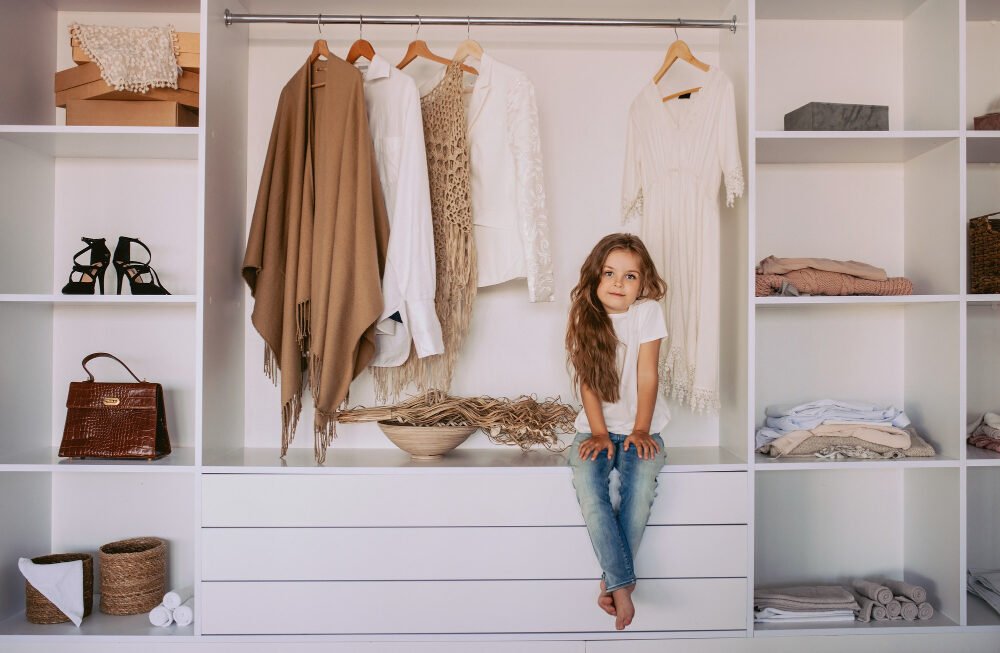
- Custom Closet for Your Cliff Cannon Home: Personalized Storage That Simplifies Life
 Learn how personalized closet systems in Cliff Cannon create organized, efficient living spaces.
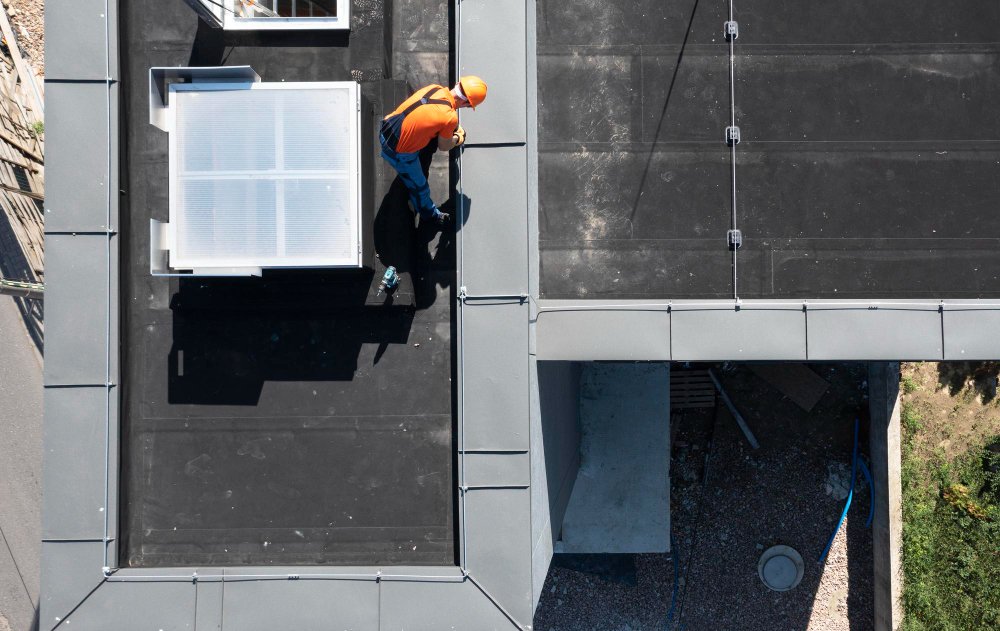
 - Commercial Roof Replacement: Investing in Lasting Protection for Your Building
 A commercial roof replacement is more than a construction project—it’s an investment in the future of your property. This article explores how premium roofing materials, thoughtful engineering, and skilled craftsmanship work together to improve building performance, protect valuable assets, and deliver lasting peace of mind for commercial property owners.
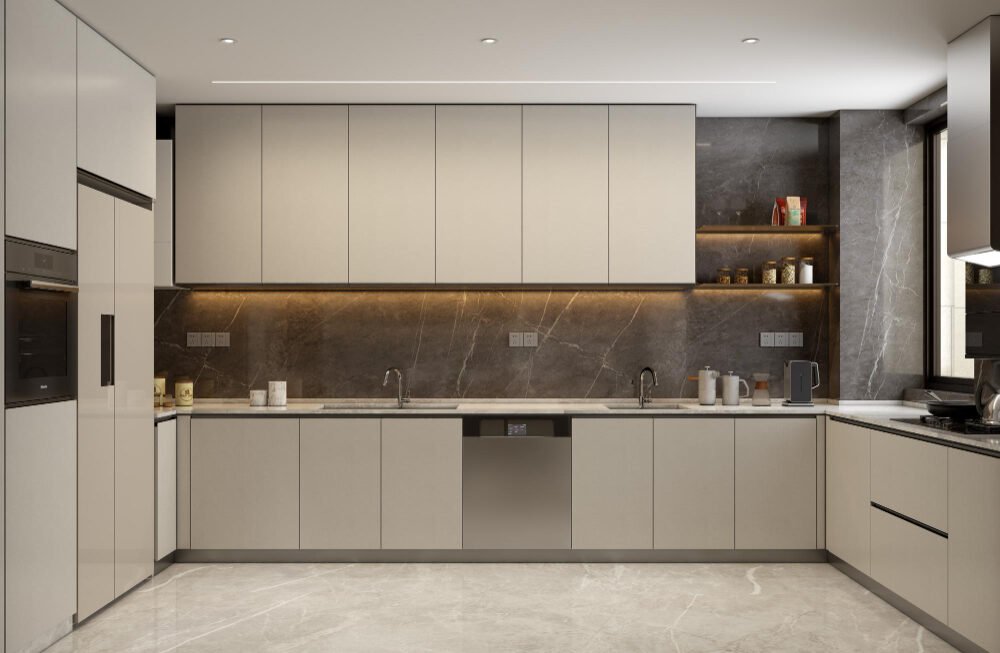
 - Kitchen & Bathroom Cabinet Contractor in Clarksville, ID: Custom Storage Solutions for Every Room
 Learn how professional cabinet contractors in Clarksville, ID transform kitchens and bathrooms with personalized storage solutions.
Best Practices
To maximize the benefits of eco-friendly siding, follow these recommendations throughout your remodeling project.- Choose materials appropriate for your local climate.
- Prioritize long service life over the lowest purchase price.
- Consider insulation performance as part of the overall system.
- Verify manufacturer warranties.
- Hire experienced installation professionals.
- Maintain proper flashing and moisture barriers.
- Select colors and finishes with lasting appeal.
SOLUTIONThe most sustainable siding is often the one that lasts the longest while requiring the fewest repairs, the least maintenance, and the smallest amount of replacement over its lifetime.